
How to Volunteer on Skomer Island: Complete Application Guide 2026
Want to live among 165,000 puffins while building a career in conservation? Discover how to volunteer on Skomer Island, from long-term monitoring roles to weekly placements. This guide covers essential requirements, physical demands, and the step-by-step application process for Wales' premier wildlife conservation experience. Learn how to secure a placement in this competitive program and gain hands-on experience in seabird research and visitor engagement.
ShiftSharks Team
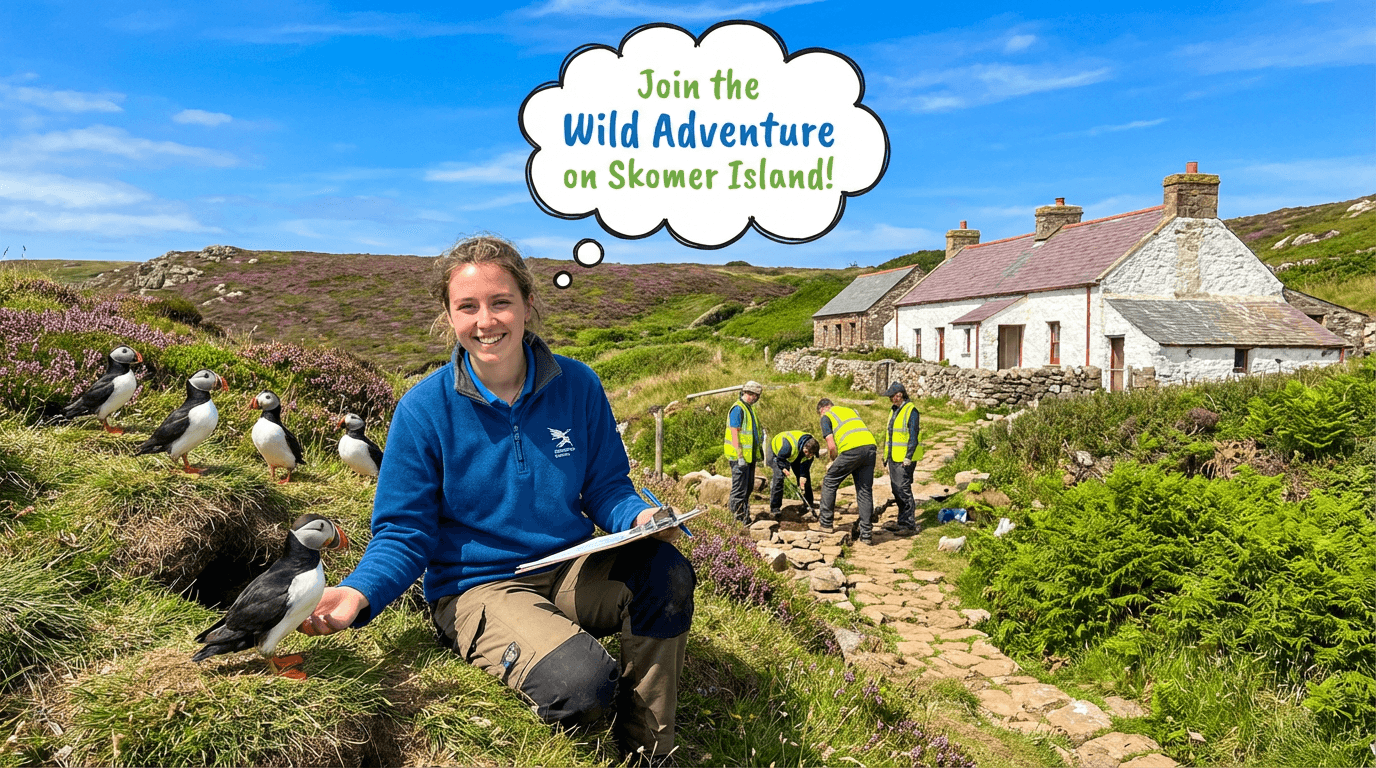
How to Volunteer on Skomer Island: Your Complete Guide to Wales' Premier Wildlife Conservation Experience
Imagine waking up to the sound of 165,000 puffins greeting the dawn, stepping out of your hostel accommodation to paths lined with pink thrift flowers, and spending your days protecting one of Europe's most important seabird colonies. This isn't a fantasy – it's the reality for volunteers on Skomer Island, Wales' crown jewel of wildlife conservation.
Located off the Pembrokeshire coast, Skomer Island offers one of the UK's most immersive volunteer experiences, combining hands-on conservation work with the chance to live among some of Britain's most spectacular wildlife. Whether you're a seasoned conservationist or someone looking to make a meaningful career change, volunteering on Skomer Island provides an unparalleled opportunity to contribute to vital research while developing skills that will serve you throughout your conservation journey.
What Makes Skomer Island Special for Volunteers
Skomer Island isn't just another volunteer destination – it's a living laboratory where every day brings new discoveries. As a Special Area of Conservation and Site of Special Scientific Interest, the island hosts the world's largest colony of Manx shearwaters and supports over 320,000 breeding seabirds annually.
The island's unique ecosystem extends beyond birds. Grey seals haul out on rocky shores, slow worms navigate the grasslands, and cetaceans frequent the surrounding waters. For volunteers, this means every shift offers something different, from monitoring puffin burrows at dawn to guiding fascinated visitors through evening seal-watching sessions.
What sets Skomer apart from other conservation volunteer programs is its residential nature. You don't commute to work – you live and breathe conservation 24/7. This immersion creates bonds between volunteers that last long after the program ends, and provides insights into wildlife behavior that day-visitors simply cannot access.
Types of Volunteer Opportunities Available
Long-Term Volunteer Positions
Long-term volunteering represents the pinnacle of the Skomer experience. These positions run for approximately three months, offering the deepest possible immersion in island life. For 2026, three distinct positions are available, each timed to capture different aspects of the breeding season.
Position 1 runs from Saturday, March 28th through Saturday, July 4th, covering the exciting arrival of breeding birds and the frenetic activity of early season. Position 2, spanning Saturday, April 25th to Saturday, August 1st, captures peak breeding activity and the crucial fledging period. Position 3, from Saturday, July 4th through Wednesday, September 30th, focuses on post-breeding monitoring and migration preparation.
Long-term volunteers become integral parts of the island team, working alongside wardens, visitor officers, and field researchers. Your responsibilities will span visitor engagement, wildlife monitoring, practical conservation work, and supervision of weekly volunteers. On busy days, you might welcome 250 day visitors and 16 overnight guests, sharing your growing expertise and passion for the island's wildlife.
Short-Term and Weekly Volunteer Roles
Weekly volunteer positions offer a taste of island life without the extended commitment. These roles focus on supporting the core team during peak visitor periods and intensive monitoring activities. While shorter in duration, weekly volunteers still engage in meaningful conservation work, from seabird surveys to path maintenance.
These positions are perfect for those testing their interest in conservation careers or individuals with limited availability. You'll work under the guidance of long-term volunteers and permanent staff, gaining exposure to professional conservation techniques while contributing to vital research efforts.
Specialized Seabird Monitoring Roles
The Wildlife Trust of South and West Wales also offers specialized seabird monitoring volunteer positions with separate application processes. These roles focus specifically on data collection and research activities, making them ideal for individuals with existing ornithological experience or those pursuing conservation research careers.
Essential Requirements and Qualifications
Must-Have Skills and Experiences
Successful Skomer volunteers share certain essential characteristics that enable them to thrive in this unique environment. First and foremost, you must demonstrate genuine passion for UK nature conservation through concrete examples in your application. This isn't about theoretical interest – the selection committee wants to see evidence of your commitment through previous volunteering, career choices, or personal projects.
Public engagement experience is non-negotiable. With hundreds of visitors arriving daily during peak season, you'll need excellent communication skills and the ability to share complex conservation concepts in accessible ways. Whether through previous volunteering, teaching, tour guiding, or customer service roles, you must prove your ability to engage diverse audiences enthusiastically.
The island demands high motivation and initiative. With limited supervision and constantly changing priorities, you need to demonstrate independent work capabilities while functioning effectively as part of a small, close-knit team. Flexibility is crucial – weather conditions, wildlife emergencies, and visitor needs can reshape daily plans in minutes.
Physical Demands and Health Requirements
Volunteering on Skomer is physically demanding work that requires honest self-assessment. You'll walk several miles daily across rugged terrain in all weather conditions, from scorching summer heat to horizontal winter rain. The island's paths can be challenging even in good conditions, with steep sections, loose stones, and muddy stretches common.
Physical tasks include path maintenance, burrow repairs, equipment transport, and facility upkeep. Long hours are standard, especially during peak season when visitor management, monitoring duties, and maintenance tasks can extend well beyond traditional work schedules. The island operates on shift patterns, meaning your work schedule will vary throughout your placement.
Good general health and reasonable fitness are essential. While you don't need to be an athlete, you should be comfortable with sustained physical activity and able to work effectively when tired. The application process includes health and fitness assessments to ensure your safety and the program's success.
Desirable Qualifications
While not essential, certain qualifications and experiences significantly strengthen applications. UK wildlife knowledge, particularly bird identification skills, proves invaluable during monitoring work and visitor interactions. Previous wildlife monitoring experience, whether through organized surveys, personal projects, or academic study, demonstrates your commitment and provides relevant technical background.
Shared living experience is highly valued, as you'll spend months in close quarters with other volunteers and staff. Previous hostel living, university accommodation, or similar experiences show your ability to navigate communal living successfully. Bilingual capabilities in Welsh and English are particularly appreciated, given the island's location and diverse visitor base.
Step-by-Step Application Process
Understanding the Timeline
The application process for Skomer Island volunteering operates on a strict annual cycle. For 2026 long-term positions, applications must be submitted by 23:59 on Friday, January 31st, 2026. Late applications are not considered under any circumstances, making advance preparation crucial.
This deadline has already passed for 2026, but the pattern repeats annually with applications typically opening in early January. If you're interested in future opportunities, mark your calendar for early January and begin preparation well in advance. The selection process is competitive, with many more applicants than positions available.
Completing Your Application
Unlike many volunteer programs, Skomer applications don't require traditional CVs or cover letters. Instead, you'll complete specific application forms designed to assess your suitability for island life. These forms are available through the Wildlife Trust of South and West Wales website at https://www.welshwildlife.org/volunteering-opportunities/skomer-island-long-term-volunteering.
The application focuses on three key areas: your interest in the position, what you can contribute to the program, and what you hope to gain from the experience. Each section requires detailed responses with specific examples. Generic answers won't suffice – the selection committee wants to understand your unique motivations and relevant experiences.
When explaining your interest, connect your passion for conservation to specific aspects of the Skomer program. Discuss particular species you're excited to work with, conservation challenges you're eager to address, or research techniques you want to learn. Demonstrate knowledge of the island's conservation significance and current challenges.
Submitting Your Application
Submit completed applications to skomer.volunteer@welshwildlife.org with the subject line "Long Term Volunteering [Your Name]". Double-check that all sections are complete and your contact information is accurate. Given the competitive nature of these positions, attention to detail in your application reflects your likely performance on the island.
For short-term volunteer positions, separate application forms and processes apply. Contact the Wildlife Trust directly for current availability and requirements, as these positions may have different deadlines and criteria.
What to Expect During Your Volunteer Experience
Daily Life on Skomer Island
Life on Skomer follows natural rhythms rather than conventional schedules. Your day might begin at sunrise with seabird monitoring, continue with visitor welcome talks, transition to afternoon path maintenance, and conclude with evening seal surveys. This variety keeps the experience fresh but requires adaptability and energy management.
The island operates on team rotas for meals, cleaning, and maintenance duties. Effective volunteer scheduling becomes crucial when coordinating these responsibilities among team members with varying shift patterns. Everyone contributes to communal living, from cooking meals to maintaining facilities.
Weather dramatically impacts daily activities. Calm, clear days might focus on intensive visitor engagement and detailed monitoring work. Stormy conditions could shift priorities to indoor tasks, equipment maintenance, or weather-dependent research opportunities. Your flexibility and positive attitude during challenging weather will be tested and appreciated.
Learning and Development Opportunities
Skomer volunteering provides exceptional professional development opportunities rarely available elsewhere. You'll receive training in specialized equipment like brushcutters and boats, potentially earning Powerboat Level 2 certification. First aid training ensures you can respond to emergencies in this remote location.
The island serves as a living classroom for conservation techniques, wildlife research methods, and visitor management strategies. You'll learn bird ringing, population monitoring techniques, habitat management, and interpretive guiding skills. These experiences provide tangible qualifications and experiences that enhance conservation career prospects.
Perhaps most valuably, you'll develop resilience, problem-solving abilities, and teamwork skills under challenging conditions. Employers throughout the conservation sector recognize Skomer volunteers as individuals with proven ability to work independently, adapt to changing circumstances, and maintain high standards under pressure.
Accommodation and Benefits
Living Arrangements
Volunteers receive free hostel-style accommodation for the entire placement duration. While basic, the accommodation provides everything needed for comfortable living, including shared kitchen facilities, common areas, and sleeping quarters. The arrangement fosters strong bonds between volunteers while maintaining necessary personal space.
All utilities and bills are included, eliminating financial worries during your placement. The accommodation emphasizes function over luxury, reflecting the island's conservation focus and remote location. Volunteers often describe the living arrangements as similar to university halls or backpacker hostels, requiring consideration and compromise from all residents.
Financial Benefits and Support
Beyond free accommodation, Skomer volunteering includes several financial benefits. Free UK travel to and from the island, including boat transport and parking, removes significant cost barriers. These expenses are claimable post-volunteering rather than paid upfront, requiring some initial financial planning.
Long-term volunteers receive £350 bursaries upon completion of required reports, providing recognition for your contribution and assistance with post-placement transition. The Wildlife Trust also provides necessary PPE and covers training costs for specialized certifications earned during your placement.
These benefits make Skomer volunteering financially accessible to individuals who might otherwise be unable to afford extended unpaid placements. The combination of free accommodation, transport, training, and bursaries significantly reduces the financial barrier to participation.
Tips for a Successful Application
Demonstrating Relevant Experience
Successful applicants effectively connect their diverse experiences to Skomer's specific requirements. If you lack direct wildlife experience, highlight transferable skills from other contexts. Customer service experience translates to visitor engagement, outdoor recreation demonstrates physical capability, and leadership roles show initiative and teamwork abilities.
Quantify your experiences wherever possible. Instead of saying you "enjoy birdwatching," explain that you "participate in monthly BTO surveys and have identified 150 UK species." Rather than claiming you "work well in teams," describe how you "coordinated weekly volunteer schedules for a 20-person environmental group," utilizing effective volunteer schedule creation techniques.
Address potential weaknesses honestly while emphasizing your enthusiasm for learning. If you lack experience in certain areas, explain how you plan to develop these skills and why the Skomer experience represents an ideal learning opportunity.
Showing Long-Term Commitment
The selection committee seeks volunteers who view Skomer as part of broader conservation journeys rather than isolated adventures. Discuss how this experience fits into your career goals, whether in professional conservation, environmental education, or related fields. Explain how you plan to apply learned skills after your placement ends.
Consider mentioning specific post-Skomer goals that demonstrate ongoing commitment to conservation. Perhaps you plan to pursue further wildlife qualifications, apply for conservation jobs, or develop community education programs. This forward-thinking approach shows serious dedication beyond the immediate experience.
Frequently Asked Questions
What is the minimum age requirement for volunteering on Skomer Island?
While specific age requirements aren't explicitly stated in current documentation, volunteers must demonstrate maturity, independence, and ability to handle the physical and emotional demands of isolated island living. Most volunteers are adults with some life experience, given the responsibility levels and challenging working conditions involved.
Can international volunteers apply for Skomer Island positions?
Volunteer positions primarily target UK residents, though some exceptions exist for individuals with dual citizenship, settled status, or participating in programs like the Youth Mobility Scheme. International applicants should contact the Wildlife Trust directly to discuss eligibility before applying, as visa and legal requirements may create complications.
What personal items should I bring to Skomer Island?
While specific packing lists aren't provided in advance, volunteers should bring personal clothing suitable for all weather conditions, toiletries, and any personal items needed for comfortable shared living. The island provides work-related PPE and equipment, but personal comfort items and appropriate outdoor clothing are essential for your wellbeing during the extended placement.
How competitive is the selection process for Skomer volunteers?
Competition for Skomer volunteer positions is intense, with many more qualified applicants than available spots. The selection committee looks for candidates who demonstrate genuine passion, relevant experience, and realistic understanding of the challenges involved. Strong applications clearly articulate motivation, highlight relevant skills, and show long-term commitment to conservation.
What happens if I need to leave my volunteer placement early?
Early departure policies aren't detailed in public materials, but given the remote location and team dynamics, volunteers should be committed to completing their full placements. Emergency situations would be handled case-by-case, but the application process emphasizes the importance of realistic self-assessment and genuine commitment to the full program duration.
Taking Your Next Step Toward Conservation Impact
Volunteering on Skomer Island represents more than a career break or adventure holiday – it's an investment in your conservation future and a contribution to vital wildlife protection efforts. The skills, experiences, and connections you'll develop during your placement will serve you throughout your conservation journey, whether professionally or personally.
The application deadlines may seem distant, but preparation should begin immediately. Start building relevant experience through local volunteering, wildlife monitoring, or public engagement activities. Develop the physical fitness and outdoor skills that will serve you well during challenging island conditions. Most importantly, clarify your motivations and career goals so you can articulate them compellingly in your application.
If you're ready to transform your passion for wildlife into hands-on conservation action, contact the Wildlife Trust of South and West Wales at skomer.volunteer@welshwildlife.org. Visit their website at https://www.welshwildlife.org/volunteering-opportunities/skomer-island-long-term-volunteering to access current application forms and detailed program information. For additional resources on managing volunteer commitments and coordinating conservation events, explore proven strategies that will enhance your application and preparation process.
Your conservation journey begins with a single application. Make yours count, and you could find yourself among the next generation of conservation leaders shaped by the wild beauty and endless possibilities of Skomer Island.