
How to Start a Career in Corporate Event Planning: Complete 2026 Guide
Want to break into the world of high-stakes business events? This guide breaks down how to start a career in corporate event planning, covering essential project management skills, must-have certifications like the CMP, and salary expectations. Whether you are seeking entry-level roles or looking to specialize in product launches, learn the step-by-step path to becoming a successful event architect and delivering flawless business experiences.
ShiftSharks Team
How to Start a Career in Corporate Event Planning: Your Complete Guide to Success
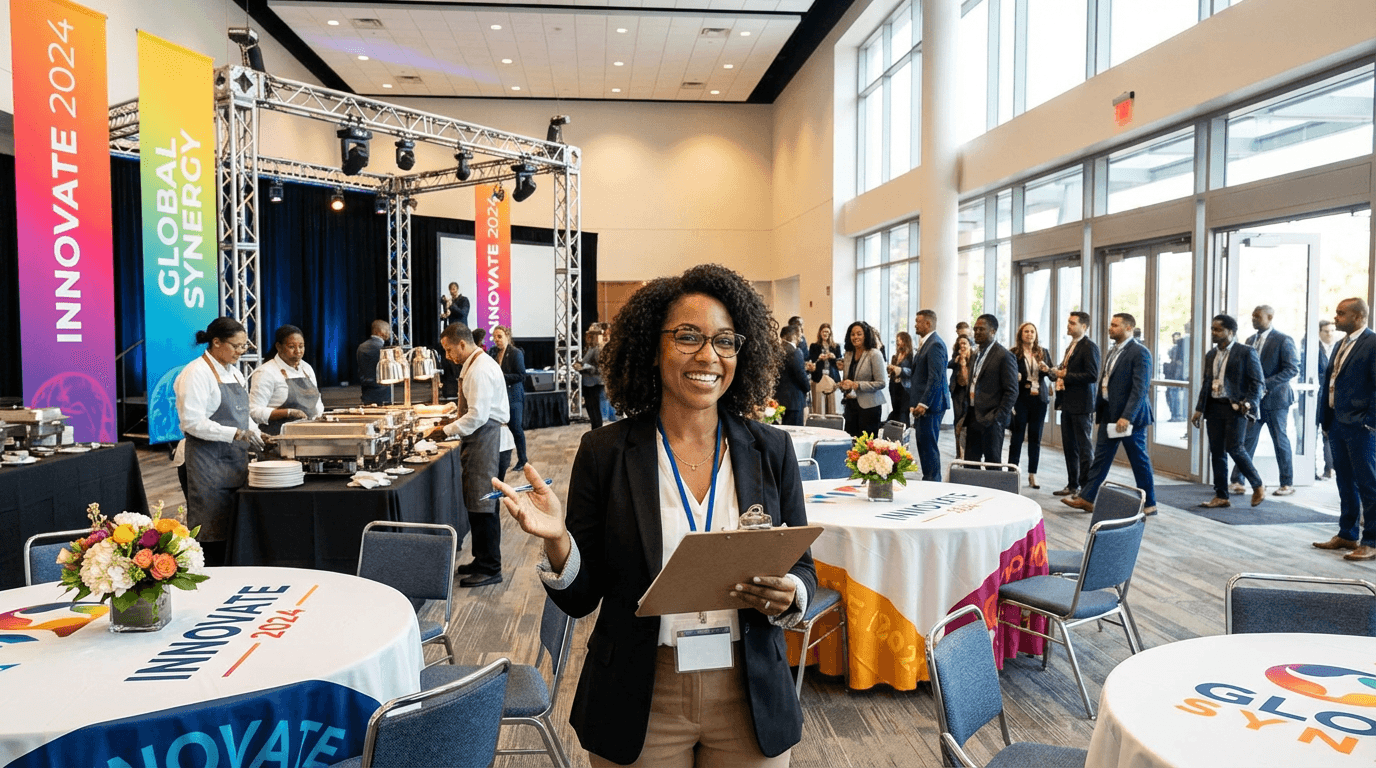
Picture this: you're standing in a bustling corporate conference center watching hundreds of executives network over perfectly timed canapés while a keynote speaker prepares to take the stage. Behind the scenes, every detail from the lighting to the lunch schedule runs like clockwork because you made it happen. If coordinating complex logistics while creating memorable experiences sounds exciting rather than overwhelming, corporate event planning might be your perfect career match.
The corporate events industry is experiencing unprecedented growth, with companies investing heavily in face-to-face experiences that build relationships and drive business results. This surge creates exceptional opportunities for skilled professionals who know how to start a career in corporate event planning and can deliver flawless execution under pressure.
Understanding the Corporate Event Planning Industry
Corporate event planning extends far beyond party planning. As a corporate event planner, you become the architect of business experiences that can make or break million-dollar deals, launch new products, or strengthen company culture. Your role encompasses everything from intimate board meetings to massive industry conferences with thousands of attendees.
The industry serves diverse sectors including technology companies hosting product launches, financial firms organizing investor meetings, healthcare organizations running medical conferences, and nonprofits coordinating fundraising galas. Each sector brings unique requirements and challenges that keep the work interesting and varied.
Core Responsibilities That Define Success
Corporate event planners manage the entire event lifecycle from initial concept to final wrap-up. During pre-event planning, you'll determine event types that align with business objectives, scout and negotiate venues, and create comprehensive budgets. This phase requires evaluating factors like space capacity, audio quality, accessibility features, and logistical flow.
Budget and vendor management forms another critical pillar of the role. You'll coordinate finances across transportation, catering, accommodations, entertainment, and venue rental while working with diverse vendors including caterers, florists, audio engineers, security teams, and technology providers. Success depends on selecting vendors based on reputation and budget constraints, then orchestrating delivery schedules and setup logistics with military precision.
Timeline oversight separates amateur coordinators from seasoned professionals. You'll create detailed schedules outlining vendor arrivals, rehearsal times, guest registration, and meal service while monitoring progress throughout the event and making real-time adjustments when unexpected issues arise.
Essential Skills and Qualifications for Corporate Event Planning
Starting a successful career in corporate event planning requires developing both hard and soft skills that enable you to thrive in high-pressure environments. The most successful planners combine technical expertise with exceptional people skills.
Project Management and Organizational Skills
Project management sits at the heart of effective event planning. You must coordinate multiple moving pieces simultaneously while maintaining laser focus on details that can make or break an event. This includes managing vendor contracts, tracking budget allocations, coordinating staff schedules, and ensuring all deliverables meet deadlines.
Modern event planners leverage sophisticated scheduling tools to coordinate complex logistics. For instance, volunteer coordination platforms like volunteer scheduling systems help manage large teams efficiently, ensuring the right people are in the right places at the right times.
Communication and Negotiation Expertise
Outstanding communication skills enable you to listen carefully to client requirements, coordinate effectively with multiple stakeholders, and provide clear documentation throughout the planning process. You'll spend significant time negotiating with vendors to secure favorable contracts while managing ongoing relationships that support long-term success.
Strong written communication proves essential for creating proposals, contracts, and detailed event timelines that keep everyone aligned. Verbal communication skills help you manage on-site situations where quick decision-making and clear direction prevent small issues from becoming major problems.
Financial Management and Problem-Solving Abilities
Budgeting and financial management skills allow you to plan expenses accurately and track costs throughout the event lifecycle. You'll need to understand how to allocate resources efficiently while building in contingencies for unexpected costs.
Problem-solving abilities become crucial when dealing with last-minute changes, vendor issues, or unexpected challenges. Successful planners develop strong risk management and contingency planning skills, preparing for scenarios like severe weather, technical failures, or last-minute cancellations.
Education and Certification Requirements
While formal education requirements vary across employers, most successful corporate event planners benefit from structured learning that provides foundational knowledge and industry credibility.
Degree Programs That Open Doors
A Bachelor of Business Administration (BBA) in Hospitality Management provides practical skills directly applicable to event planning careers. These programs cover essential topics including business operations, customer service, financial management, and industry-specific knowledge that helps you understand client needs and industry standards.
Alternative degree paths include communications, marketing, public relations, or business administration. These fields develop transferable skills in project management, client relations, and strategic thinking that translate well to event planning roles.
Industry Certifications That Boost Credibility
Professional certifications demonstrate commitment to the field and provide specialized knowledge that sets you apart from other candidates. The Certified Meeting Planner (CMP) certification, offered by the Meeting Professionals International organization, covers meeting management, risk management, and industry best practices.
The Certified Special Events Professional (CSEP) designation focuses specifically on special events and provides advanced training in creativity, design, and execution. Both certifications require continuing education to maintain, ensuring you stay current with industry trends and best practices.
Gaining Experience: From Entry-Level to Expert
Building relevant experience requires a strategic approach that combines formal learning with hands-on practice. The most successful path involves starting with entry-level positions that provide exposure to event operations while gradually taking on increased responsibility.
Internships and Entry-Level Positions
Seek internships with event planning companies, hotels, corporate marketing departments, or venues that regularly host events. These positions expose you to day-to-day operations while allowing you to observe experienced planners in action.
Entry-level roles might include event assistant, venue coordinator, or marketing assistant positions where you support larger events while learning the business. Many successful planners start by helping with registration, vendor coordination, or on-site logistics before advancing to full planning responsibilities.
Corporate event planners typically work for event planning companies, corporations with internal event teams, hotels and resorts, casinos, or operate as independent consultants. Each environment offers different learning opportunities and career paths.
Volunteer Opportunities That Build Skills
Volunteering with nonprofit organizations, community groups, or professional associations provides valuable hands-on experience while building your network. Many successful planners gained initial experience by coordinating fundraising events, conferences, or community celebrations.
These volunteer roles allow you to practice essential skills like budget management, vendor coordination, and team leadership while contributing to causes you care about. The experience also provides concrete examples you can discuss in job interviews and add to your portfolio.
Building Your Professional Network
Success in corporate event planning depends heavily on relationships with vendors, venues, and other industry professionals. Building a strong network provides access to opportunities, resources, and collaborative partnerships that enhance your career prospects.
Join professional organizations like Meeting Professionals International (MPI), the International Special Events Society (ISES), or local event planning associations. These groups offer networking events, educational programs, and certification opportunities that connect you with established professionals.
Attend industry conferences, trade shows, and networking events where you can meet potential mentors, vendors, and employers. Many successful planners trace their biggest career breaks to relationships formed at industry gatherings.
Career Paths and Growth Opportunities
The corporate event planning field offers diverse career trajectories depending on your interests and strengths. Understanding potential paths helps you make strategic decisions about skill development and job opportunities.
Traditional Career Progression
Most planners begin as event assistants or coordinators before advancing to senior planner, manager, or director roles. Large corporations often have internal event teams with clear advancement paths, while smaller companies may offer faster progression but fewer hierarchical levels.
According to the Bureau of Labor Statistics, meeting, convention, and event planners earn a median annual salary of approximately $51,000, with experienced professionals in major markets earning significantly more.
Specialization Opportunities
Many successful planners specialize in specific event types like product launches, trade shows, executive retreats, or international conferences. Specialization allows you to develop deep expertise and command premium rates for specialized knowledge.
Other planners focus on particular industries such as healthcare, technology, finance, or government events. Industry specialization helps you understand unique requirements, compliance issues, and stakeholder expectations that generic planners might miss.
Technology and Modern Tools for Event Planners
Today's corporate event planners leverage sophisticated technology platforms that streamline operations and enhance attendee experiences. Familiarity with modern tools gives you a competitive advantage in the job market.
Event management software handles registration, ticketing, and attendee communication while providing analytics that help measure event success. Popular platforms include Eventbrite, Cvent, and specialized corporate event solutions.
Project management tools like Monday.com, Asana, or specialized event planning platforms help coordinate timelines, vendor deliverables, and team communications. Comprehensive checklists ensure nothing falls through the cracks during complex events.
Virtual and hybrid event technologies have become essential skills since 2020. Understanding streaming platforms, virtual networking tools, and hybrid event logistics expands your service offerings and market value.
Salary Expectations and Job Market Outlook
The corporate events industry offers competitive compensation that scales with experience, specialization, and geographic location. Entry-level positions typically start between $35,000-$45,000 annually, while experienced senior planners can earn $60,000-$100,000 or more in major markets.
Independent consultants often earn higher hourly rates but must manage irregular income and business expenses. Many successful consultants eventually build agencies that employ other planners and handle multiple concurrent events.
Job market demand remains strong as companies increasingly recognize the value of well-executed events for relationship building, brand awareness, and business development. The shift toward hybrid events creates new opportunities for planners who can seamlessly blend in-person and virtual experiences.
Common Challenges and How to Overcome Them
Every corporate event planner faces common challenges that can derail projects or damage professional relationships. Preparing for these situations helps you respond effectively under pressure.
Managing Unexpected Changes and Crises
Last-minute changes are inevitable in event planning. Key speakers cancel, weather threatens outdoor events, or client budgets get slashed with little notice. Successful planners develop contingency plans for major risks and maintain relationships with backup vendors who can step in quickly.
Building buffer time into schedules and budgets provides flexibility when adjustments become necessary. Clear communication with all stakeholders about potential impacts helps manage expectations and maintain trust during difficult situations.
Balancing Multiple Priorities
Corporate event planners often juggle multiple events simultaneously while managing ongoing vendor relationships and client communications. Strong organizational systems and time management skills prevent important details from slipping through the cracks.
Effective delegation and team coordination become essential as you advance in your career. Learning to trust team members while maintaining quality standards allows you to scale your impact and take on larger, more complex projects.
Frequently Asked Questions
How long does it take to start a career in corporate event planning?
Most people can begin working in entry-level event planning roles within 6-12 months of focused preparation. This timeline includes completing relevant education or certification programs, gaining some hands-on experience through internships or volunteer work, and building basic industry connections. However, developing expertise and advancing to senior roles typically takes 3-5 years of progressive experience.
Do I need a college degree to become a corporate event planner?
While not universally required, most corporate employers prefer candidates with bachelor's degrees, particularly in hospitality management, business, communications, or related fields. However, exceptional skills, relevant certifications, and strong industry experience can sometimes substitute for formal education, especially with smaller companies or when starting as an independent consultant.
What's the difference between corporate event planning and wedding planning?
Corporate event planning focuses on business objectives like lead generation, employee engagement, product launches, or relationship building. These events typically have different success metrics, stakeholder groups, and budget structures compared to weddings. Corporate planners must understand business goals, ROI measurement, and professional protocols rather than personal preferences and family dynamics.
How much can I expect to earn as a corporate event planner?
Entry-level corporate event planners typically earn $35,000-$45,000 annually, while experienced professionals can earn $60,000-$100,000 or more depending on location, specialization, and employer size. Independent consultants may earn higher hourly rates but face income variability. Geographic location significantly impacts salary levels, with major metropolitan areas offering higher compensation.
What are the biggest challenges in corporate event planning?
The primary challenges include managing multiple moving parts simultaneously, dealing with last-minute changes and unexpected crises, balancing client expectations with budget constraints, and maintaining quality standards under tight deadlines. Successful planners develop strong problem-solving skills, build reliable vendor networks, and create comprehensive contingency plans to address these challenges effectively.
Start Your Corporate Event Planning Journey Today
Starting a career in corporate event planning offers the opportunity to blend creativity with strategic thinking while building valuable business relationships and creating memorable experiences that drive real results. The field rewards those who combine strong organizational skills with excellent communication abilities and the flexibility to thrive in dynamic environments.
Success comes from understanding that every event tells a story and serves specific business objectives. Whether you're coordinating an intimate executive retreat or managing a conference for thousands of attendees, your role as a corporate event planner puts you at the center of meaningful business interactions that can shape careers, close deals, and build lasting professional relationships.
Begin your journey by identifying your strengths, pursuing relevant education or certifications, and seeking opportunities to gain hands-on experience. Build relationships within the industry, stay current with technology trends, and always focus on delivering exceptional value to your clients. With dedication and strategic planning, you can build a rewarding career that combines passion for organization with the excitement of bringing complex visions to life.
Ready to take the first step? Start researching local event planning programs, attend industry networking events in your area, and consider volunteering for nonprofit organizations that need event coordination help. Your career in corporate event planning awaits.